
In the fast-paced world of logistics, manufacturing, and retail, the floor space of a warehouse is more than just square footage—it is one of a business’s most valuable assets. As global supply chains become more complex, the demand for efficient, durable, and scalable storage has led to the rise of specialized iron racking solutions.
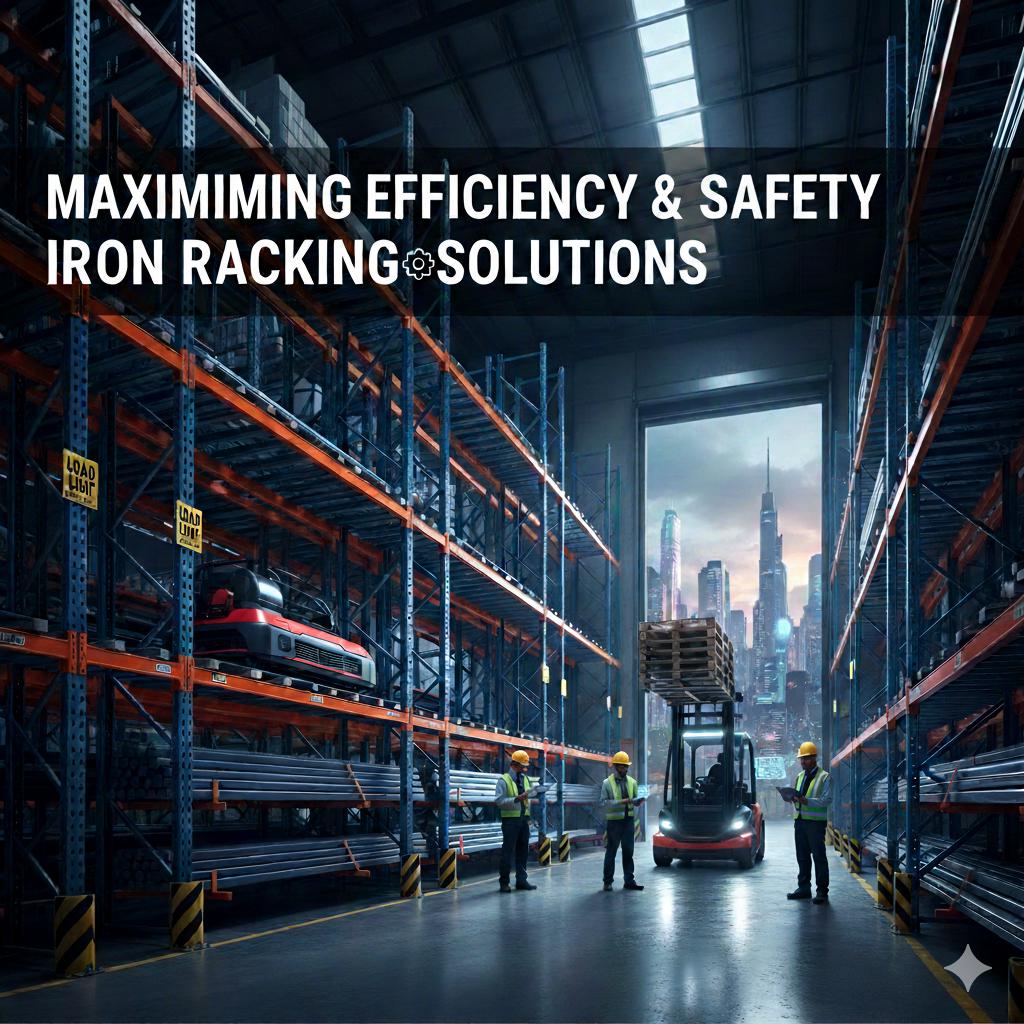
Whether you are managing a small workshop or a massive distribution center, the right racking system does more than just “hold things.” It streamlines your workflow, protects your inventory, and ensures the safety of your most important asset: your people. This comprehensive guide explores the world of iron and steel racking, the various types available, and how to choose the best service for your business needs.
1. Why Iron Racking Is the Foundation of Modern Storage
Iron racking—typically made from high-grade steel—is designed for industrial-strength performance. Unlike wood or plastic shelving, metal racking systems deliver long-term reliability and safety.
Unmatched Durability
Steel racking systems are built to withstand heavy loads, forklift impacts, and harsh environmental conditions such as heat and moisture. With proper maintenance, iron racks can last for decades without structural failure.
High Load Capacity
One of the biggest advantages of iron racking is its ability to handle heavy loads. Systems like selective pallet racking and cantilever racking can support thousands of kilograms per level, enabling efficient vertical storage and maximizing warehouse space.
Fire Safety and Compliance
Steel is non-combustible, making iron racking a preferred choice under many industrial fire safety regulations. Open-grid decking allows fire suppression systems to function effectively by letting water reach lower rack levels.
2. Types of Iron Racking Systems
Different storage needs require different racking solutions. Below are the most common iron racking systems used across industries.
A. Selective Pallet Racking
The most widely used racking system, offering direct access to every pallet.
Best for: Warehouses with many SKUs and frequent inventory movement
Advantages: Full pallet accessibility, easy installation, flexible configuration
B. Cantilever Racking
Designed for long, bulky, or irregularly shaped items, using horizontal arms instead of vertical columns.
Best for: Pipes, timber, steel bars, furniture
Advantages: Unobstructed loading, ideal for oversized materials
C. Drive-In and Drive-Through Racking
High-density storage systems where forklifts enter the rack structure.
Best for: Large quantities of identical products
Advantages: Maximum space utilization, reduced aisle requirements
D. Push-Back Racking
Uses inclined rails and carts to store pallets in a LIFO system.
Best for: Medium-turnover inventory
Advantages: High storage density without forklift entry
E. Pallet Flow (Gravity Flow) Racking
Gravity-fed rollers allow pallets to move automatically from loading to picking zones.
Best for: Perishable or time-sensitive goods
Advantages: FIFO inventory management, faster picking operations
3. Importance of Professional Racking Services
Purchasing racking equipment is only part of the solution. Professional services ensure safety, efficiency, and long-term performance.
Warehouse Layout and CAD Design
Experts use CAD tools to design layouts that optimize storage density while ensuring smooth forklift movement. Factors like aisle width, ceiling height, and turning radius are carefully planned.
Professional Installation
Correct installation is critical. Professional teams ensure racks are properly aligned, anchored, and secured to withstand operational stresses and prevent collapse.
Safety Inspections and Audits
Regular inspections help identify damage such as bent uprights, loose anchors, or beam deflection. Certified audits ensure compliance with safety standards and prevent costly accidents.
4. Maintenance Tips to Extend Racking Life
Proper maintenance keeps your iron racking system safe and operational for decades.
- Rust Prevention: Repair scratches promptly with rust-resistant paint
- Load Capacity Labels: Clearly display maximum load limits and train staff accordingly
- Impact Protection: Install column guards and end-of-aisle barriers
- Routine Cleaning: Keep racks clean to spot damage early
5. How to Choose the Right Iron Racking Partner
When selecting a racking solution provider, look beyond pricing.
Key Factors to Consider
- Customization options tailored to your warehouse
- Use of high-quality, certified steel
- End-to-end services from design to certification
- Scalable systems that grow with your business
6. The Future of Iron Racking Systems
Warehouse storage is evolving toward automation and sustainability.
Automation Trends
Semi-automated shuttle systems reduce forklift usage, improve safety, and increase storage density by handling pallet movement inside deep racking lanes.
Sustainable Design
Steel racking is fully recyclable, and many manufacturers now use eco-friendly powder coating processes that minimize environmental impact.
Conclusion: Building a Smarter Warehouse
Investing in a high-quality iron racking system is an investment in efficiency, safety, and long-term growth. The right solution allows you to maximize space, improve workflow, and protect both inventory and employees.
By partnering with experienced racking professionals, you’re not just installing storage—you’re building a scalable warehouse infrastructure designed to support your business for years to come.
Ready to unlock your warehouse’s full potential?
Contact a professional racking specialist today and discover how much more your space can do.
